

What is art therapy?
A profession where the creative process becomes a safe way to express, reflect and make meaning.
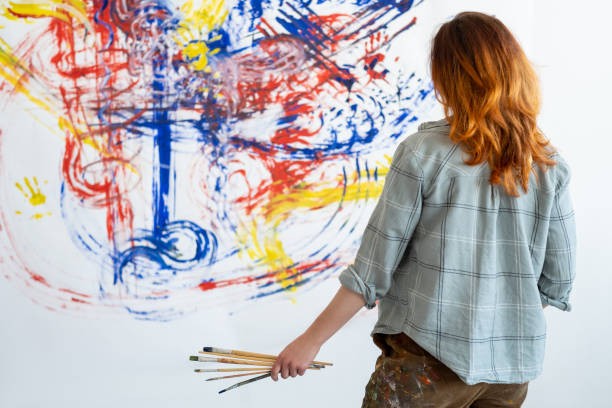
A creative route to wellbeing
Art therapy is a mental health and human services profession that uses art-making, the creative process, psychological understanding, and a therapeutic relationship to support emotional, mental, physical, and social well-being. It is guided by a trained art therapist, who helps a person explore thoughts, feelings, experiences, and patterns that may be difficult to express in words alone. Art therapy is included in some medical aids.
In art therapy, the focus is not on creating a perfect or beautiful artwork. Instead, the artwork becomes a safe way to communicate, reflect, make meaning, and gain insight. The emphasis is on the process of making marks. Drawing, painting, collage, clay, sculpture, movement with materials, or other creative approaches may be used depending on the person’s needs, comfort level, and goals.
Art therapy is not…
- It is not the same as an art class.An art class teaches technique and often focuses on the final product. Art therapy focuses on personal expression, emotional processing, and therapeutic goals.
- It is not only for artists.A person does not need talent, experience, or confidence in art to benefit from art therapy.
- It is not about judging artwork.The therapist does not critique the artwork as “good” or “bad”; the meaning and process matter more than appearance.
- It is not simply colouring-in or crafts.Creative activities can be calming, but art therapy involves intentional therapeutic guidance from a trained professional.
- It is not a quick fix.Like other forms of therapy, it often works best over time as trust, reflection, and self-awareness develop.
How art therapy can help
Art therapy can support people of different ages and backgrounds, including children, adolescents, adults, families, groups, people experiencing stress, trauma, grief, illness, anxiety, depression, life transitions, or difficulty expressing themselves verbally. Benefits include:
- Providing a safe outlet for feelings that may be hard to put into words.
- Reducing stress, anxiety, and emotional overwhelm.
- Increasing self-awareness and personal insight.
- Supporting emotional resilience and coping skills.
- Improving self-esteem and confidence through creative exploration.
- Helping with communication, especially when verbal expression feels limited.
- Supporting relaxation, focus, and a sense of control.
- Helping people process difficult experiences, grief, trauma, illness, or change at their own pace.
What an art therapy session might look like
Check-in
A session often begins with a short check-in. The therapist may ask how the person is feeling, what has been happening recently, or what they would like support with. Together, they may agree on a focus for the session, such as stress, identity, relationships, grief, body awareness, self-compassion, or coping with change.
Making art
The art-making part may be structured or open-ended. For example, the therapist might invite the person to draw a safe place, create a collage of current feelings, use clay to represent tension, or choose colours and shapes that express an inner experience. The person may also be invited simply to explore materials without needing to explain everything immediately.
Reflecting together
Afterwards, the therapist and client may reflect together on the process and the artwork. Questions might include: What did you notice while making it? What part stands out? Did anything surprise you? What feelings, memories, or thoughts came up? The therapist does not impose a fixed meaning on the artwork; instead, the client is supported to discover their own meaning.
Closing the session
A session may end with grounding, summarising, or identifying one small next step. This could include naming a feeling, noticing a new insight, practising a coping strategy, or deciding whether to continue exploring the same theme in future sessions.
Curious whether art therapy is right for you?
Send a message and Dr Madri will help you find the right place to begin.
Book a session →